
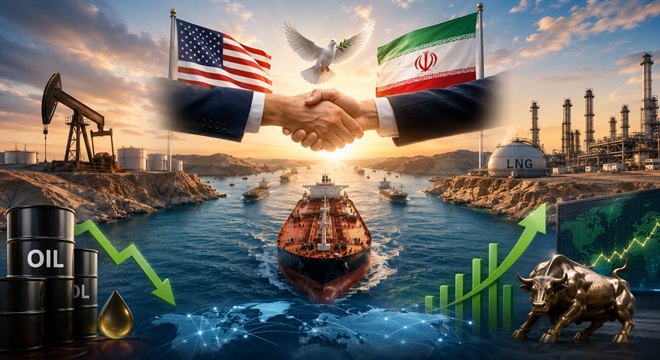
Peace Prevails, Oil Flows, Trade Eases, Economies Breathe Again
The world's most important trade artery is preparing to reopen, and the world breathed a sigh of relief. After months of war, disruption and fears of a global economic shock, the United States and Iran have announced a framework peace agreement that could mark one of the biggest turning points for the global economy this year. The deal, due to be formally signed in Switzerland on June 19, would end military operations across multiple fronts, reopen the Strait of Hormuz and lift the US naval blockade on Iranian ports. Within hours of the announcement, oil prices tumbled. Brent crude fell below US$84 a barrel, while US crude dropped more than 5%, reaching their lowest levels since March. Global stock markets surged. Japan's Nikkei soared more than 5%, South Korea's Kospi rallied sharply, and Indian markets opened strongly higher as investors rushed back into risk assets. This reaction reflects the extraordinary importance of the Strait of Hormuz. The narrow waterway between Iran and Oman carries roughly one-fifth of the world's oil and liquefied natural gas supplies. Its effective closure since early March triggered what many analysts described as the largest oil supply disruption in modern history. Oil prices surged. Freight rates jumped. Insurance premiums climbed. Inflation pressures intensified across importing economies. Industries dependent on energy, from aviation and petrochemicals to textiles and logistics, faced soaring costs and shrinking margins. Now, for the first time in months, the outlook is improving. President Donald Trump declared that "oil will flow" again once the agreement takes effect. Iran has confirmed that a deal has been finalised, although both sides still differ on the sequencing of sanctions relief, frozen assets and future nuclear negotiations. If the agreement holds, the reopening of Hormuz could become the year's most important anti-inflationary event. Lower oil prices reduce transportation costs. Shipping becomes cheaper. Energy-intensive industries gain breathing space. Import bills ease for countries heavily dependent on external energy supplies. Governments battling inflation may finally find some relief after months of firefighting. For textile and apparel supply chains, the implications are equally significant. Lower fuel costs can ease pressure across fibre production, manufacturing, freight and retail distribution. Improved shipping schedules may help restore predictability to global sourcing networks that have spent months adapting to disruption. Yet caution remains necessary. Analysts warn that reopening the Strait is not like switching on a tap. Mine-clearing operations, vessel repositioning, insurance recalibration and cargo rescheduling mean that normal trade flows may take weeks, or even months, to fully recover. Some geopolitical risks also persist, particularly as Israel remains outside the agreement and future negotiations between Washington and Tehran are expected to continue for another 60 days. Still, after months dominated by conflict headlines, shortages and inflation fears, markets are choosing optimism. The peace deal removes one of the largest uncertainties hanging over global trade today. For now, that alone is enough to change the mood.
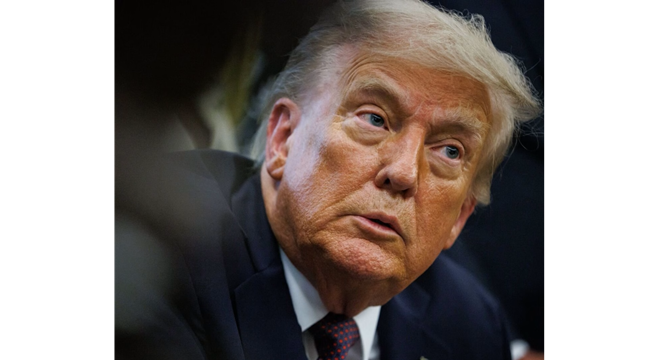
President Donald Trump declared that "oil will flow" again once the agreement takes effect. Iran has confirmed that a deal has been finalised, although both sides still differ on the sequencing of sanctions relief, frozen assets and future nuclear negotiations. If the agreement holds, the reopening of Hormuz could become the year's most important anti-inflationary event. Lower oil prices reduce transportation costs. Shipping becomes cheaper. Energy-intensive industries gain breathing space. Import bills ease for countries heavily dependent on external energy supplies. Governments battling inflation may finally find some relief after months of firefighting.
Subscribe To Textile Excellence Print Edition
If you wish to Subscribe to Textile Excellence Print Edition, kindly fill in the below form and we shall get back to you with details.
Newsletter
Subscribe To Textile Excellence Mailing List


- December 09, 2022
'There Is Very High Acceptance For India

- December 09, 2022
'Advanced Machines & Service, Customer C
- October 09, 2023
First-time In The World: Rieter’s Auto

- July 28, 2026
Arvind Eyes Leadership In India's Premiu

- June 01, 2020
Karl Mayer Enables Automated Production
- June 05, 2023
Ultimax - All New Revolutionary Rapier W
- June 09, 2025
DyStar Becomes A Wholly Owned Subsidiary

- July 28, 2026