
Is The U.S. Tariff Seesaw Continuing?
The U.S. Trade Representative (USTR) has proposed a
fresh round of tariffs on imports from several countries over concerns related
to forced labour practices. If implemented, the move could reshape global
textile and apparel sourcing.
Under the proposal, imports from China, Hong Kong, India
and Vietnam would face an additional 12.5% tariff, over and above existing
duties. Imports from Bangladesh, Pakistan, Cambodia, Indonesia, Malaysia and
several other economies would face an additional 10% duty.
The proposed tariffs are not final. USTR will hold
public hearings and seek feedback from businesses before taking a decision.
USTR argues that countries that fail to effectively
prevent imports made with forced labour create unfair competition by allowing
lower-cost goods to enter global markets. The agency believes stronger measures
are needed to protect businesses that comply with labour standards.
For textile and apparel exporters, the implications
could be significant. Higher tariffs could affect pricing, competitiveness and
sourcing decisions in the U.S. market.
However, the proposal also offers a potential
opportunity. USTR has suggested a special textile mechanism that could allow a
certain volume of textile and apparel imports to enter the U.S. at lower tariff
rates. The benefit would be linked to the amount of U.S. cotton and textile
inputs purchased by exporting countries.
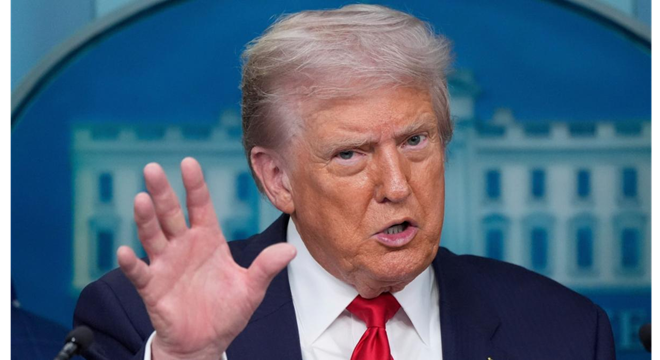
The proposal comes after the Trump administration faced
legal setbacks over tariffs imposed under the International Emergency Economic
Powers Act (IEEPA). President Trump had warned that alternative measures would
follow. This proposal appears to be part of that shift.
Over recent months, the pattern has become familiar:
• The administration imposes tariffs.
• Courts challenge or overturn some of them.
• Alternative legal routes are explored.
• Businesses adjust.
• New tariff proposals emerge.
• Fresh legal challenges follow.
The result is growing uncertainty for importers and
exporters.
For the textile industry, sourcing decisions are
becoming more complex. Companies can no longer focus only on price, lead times
and quality. They must also factor in tariff risks, forced labour compliance,
geopolitical developments and, potentially, the role of U.S. cotton purchases.
IEEPA vs Section 301: What's Different?
The earlier tariffs were imposed under IEEPA, an
emergency powers law that allowed the administration to move quickly. Courts
questioned whether that law actually gave the President the authority to impose
broad tariffs, leading to legal setbacks.
The new proposal relies on Section 301 of the Trade Act
of 1974, a law specifically designed to address unfair foreign trade practices.
It has been used before, including for tariffs on Chinese imports during
Trump's first term. Courts have generally recognised USTR's authority under
Section 301, giving it a stronger legal foundation.
That does not mean these tariffs cannot be challenged.
But unlike the IEEPA measures, they are less likely to be struck down simply
because of the law under which they were imposed.
The broader message for textile businesses is clear. The
U.S. government's objective of using tariffs to address issues such as forced
labour and trade imbalances does not appear to have changed. What is changing
is the legal route being used to pursue that objective.
The story, therefore, is not that the tariff strategy
has failed.
It is that the first pathway hit a roadblock, and
Washington is now trying a sturdier route to reach the same destination.
The tariff seesaw shows no signs of slowing.
The broader message for textile businesses is clear. The U.S. government's objective of using tariffs to address issues such as forced labour and trade imbalances does not appear to have changed. What is changing is the legal route being used to pursue that objective. The story, therefore, is not that the tariff strategy has failed. It is that the first pathway hit a roadblock, and Washington is now trying a sturdier route to reach the same destination. The tariff seesaw shows no signs of slowing.
Subscribe To Textile Excellence Print Edition
If you wish to Subscribe to Textile Excellence Print Edition, kindly fill in the below form and we shall get back to you with details.
Newsletter
Subscribe To Textile Excellence Mailing List


- December 09, 2022
'There Is Very High Acceptance For India

- December 09, 2022
'Advanced Machines & Service, Customer C
- October 09, 2023
First-time In The World: Rieter’s Auto

- July 28, 2026
Arvind Eyes Leadership In India's Premiu

- June 01, 2020
Karl Mayer Enables Automated Production

- June 05, 2023
Ultimax - All New Revolutionary Rapier W
- June 09, 2025
DyStar Becomes A Wholly Owned Subsidiary

- July 28, 2026