

EU Pushes For Tougher Trade Defence And A Stronger ‘Made In Europe’ Market
European leaders have
called for stronger tools to tackle global trade imbalances and protect the
bloc's Single Market, signalling a tougher approach towards imports perceived
to be underpriced or unfairly subsidised.
At their October 16
meeting, EU leaders asked the European Commission to make full use of existing
trade instruments and urgently strengthen its toolbox with new measures. These
could go beyond the current anti-dumping, anti-subsidy and safeguard mechanisms.
However, no specific new instruments have been proposed or adopted yet.
The move comes amid growing
concerns over global overcapacity and low-priced imports, particularly from
Asian markets.
Making Europe more
competitive
The trade defence push is
part of a wider ‘Made in Europe’ agenda. EU leaders also want to strengthen the
Single Market by removing internal barriers, simplifying regulations, speeding
up industrial permits and reducing administrative burdens, particularly for SMEs.
Key initiatives include the
proposed Industrial Accelerator Act and measures to support energy-intensive
industries. The objective is to help European manufacturers compete and expand,
even as the EU considers tighter conditions for goods entering its market.
The EU also reaffirmed its
support for the Emissions Trading System (ETS), while calling for measures to
limit carbon-price volatility and a review of ETS2, which covers buildings and
road transport.
Key initiatives include the proposed Industrial Accelerator Act and measures to support energy-intensive industries. The objective is to help European manufacturers compete and expand, even as the EU considers tighter conditions for goods entering its market. The EU also reaffirmed its support for the Emissions Trading System (ETS), while calling for measures to limit carbon-price volatility and a review of ETS2, which covers buildings and road transport.
Subscribe To Textile Excellence Print Edition
If you wish to Subscribe to Textile Excellence Print Edition, kindly fill in the below form and we shall get back to you with details.
Newsletter
Subscribe To Textile Excellence Mailing List


- December 09, 2022
'There Is Very High Acceptance For India

- December 09, 2022
'Advanced Machines & Service, Customer C
- October 09, 2023
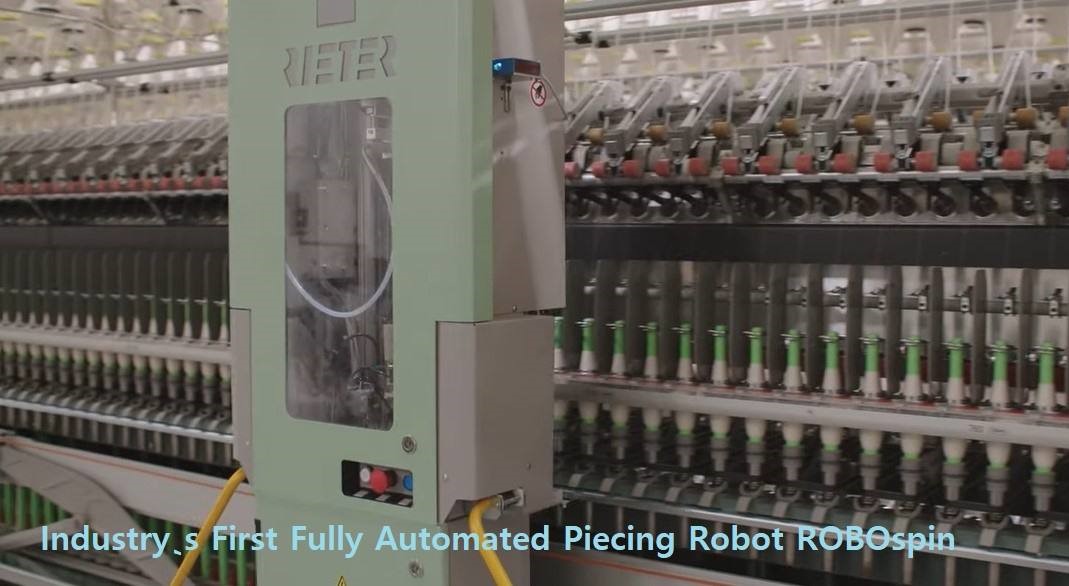
First-time In The World: Rieter’s Auto

- July 28, 2026
Arvind Eyes Leadership In India's Premiu

- June 01, 2020
Karl Mayer Enables Automated Production
- June 05, 2023
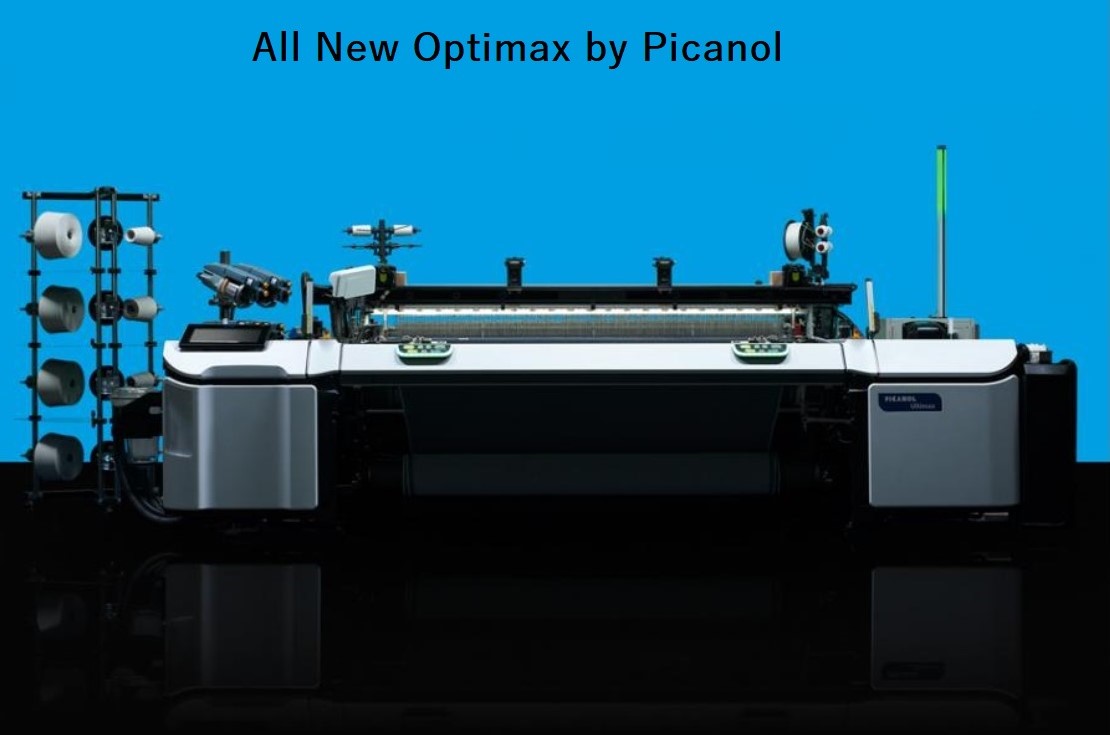
Ultimax - All New Revolutionary Rapier W
- June 09, 2025
DyStar Becomes A Wholly Owned Subsidiary

- July 28, 2026