
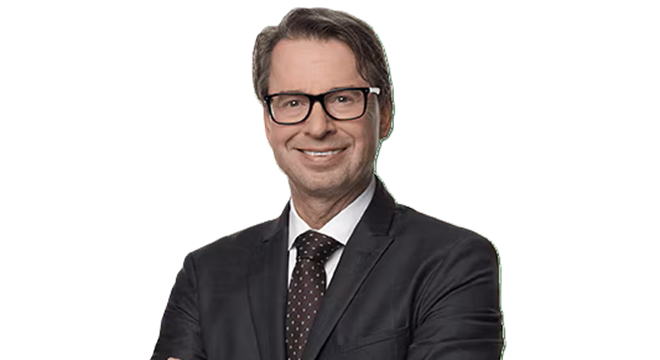
Middle East Trade In Turbulent Times: What Exporters Must Do Now
The Middle East remains one
of the world’s most critical trade corridors. But today, it is also one of the
most complex.
Geopolitical tensions are
disrupting trade at every level - shipping, costs, insurance, and payments. For
exporters, the challenge is immediate and practical: keep goods moving, protect
cash flow, and get paid on time.
Yet, this is not a market
to exit. The Gulf, especially the UAE, has proven its resilience before. COVID
hit hard, but recovery was swift. The same pattern is likely.
The message is clear: stay
in the market, but trade smarter.
What’s changing on the
ground
The current disruption is
not theoretical. It is operational.
Shipping delays and rising
costs
The Strait of Hormuz,
handling nearly 30% of global hydrocarbon flows, is heavily disrupted. Ships
are being rerouted. Transit times are longer. Costs are rising fast. War-risk
premiums are climbing.
For exporters, this means:
- Longer delivery cycles
- Higher freight costs
- Delayed payments linked to delayed
shipments
Time is stretching. Cash
cycles are breaking.
Credit insurance is
tightening
Credit insurers are pulling
back. Political risk cover is being reduced or withdrawn in parts of the
region. New policies are harder to secure. Existing ones are more expensive.
For exporters, this creates
a gap just when protection is needed most.
Payment cycles are
expanding
Buyers are under pressure.
They are asking for more time.
What was 60 days is now 90
or even 120. Add shipping delays, and the total cycle can stretch beyond 120
days. Collections are also getting harder. Cross-border enforcement is slow.
Banking channels can be disrupted.
The result: more risk,
slower cash, tighter liquidity.
Two sides of the same
problem
Exporting from the Middle
East
For exporters based in the
region, financing has become tougher.
Banks are cautious. Due
diligence is stricter. Credit insurers are limiting exposure. Some global trade
finance providers are stepping back altogether. This creates a disconnect. Many
exporters are strong businesses with reliable buyers. But risk perception of
the region works against them. Good companies are being treated as high-risk,
simply because of where they are based.
Exporting into the Middle
East
For exporters selling into
the region, the risk shifts, but does not reduce.
Key pressures include:
- Longer cash conversion cycles
- Reduced insurance coverage
- Rising logistics and operating costs
- Higher collection risk
A shipment that once
converted to cash in 60 days may now take 120+ days. For most businesses, that
gap is not sustainable without financing.
The core risk: Cash flow
Everything comes back to
one issue - cash flow strain.
- Goods move slower
- Payments take longer
- Costs keep rising
Without intervention, this
combination erodes margins and increases exposure.
What works: Structured
trade finance
In this environment,
traditional approaches fall short. Exporters need solutions that combine
financing, risk protection, and collections.
This is where export
factoring becomes critical.
1. Protection against
non-payment
In a non-recourse
structure, the finance provider takes on the buyer’s credit risk. If the buyer
defaults, the exporter is protected. This is especially valuable now, when
credit insurers are pulling back. A specialised trade finance partner can often
secure coverage that individual exporters cannot.
2. Immediate liquidity
Instead of waiting 90–120
days, exporters receive up to 90% of invoice value within 48 hours of shipment.
The balance is paid once the buyer settles. This converts delayed receivables
into immediate working capital. Cash flow becomes predictable again.
3. Flexibility at speed
Unlike traditional banks,
trade finance facilities can be scaled quickly, often within days. This matters
when:
- Prices spike
- Shipment values increase
- Buyers demand higher volumes
Speed is no longer
optional. It is critical.
What This Looks Like in
Practice
Rapid scaling under
pressure
A jet fuel exporter saw
costs surge and routes change overnight. Shipment values jumped. The business
needed more liquidity - fast.
Within 48 hours, its
financing facility was increased from US$ 15 million to US$ 20 million,
allowing operations to continue without disruption.
“When conditions on the
ground change fast, our clients need a financing partner that can respond at
the same speed. Increasing a facility by five million dollars in under 48 hours
is not unusual for us. That flexibility is exactly what sets trade finance
apart from traditional banking,” said Ansgar Huetten, Executive Director,
Tradewind Finance.
Handling longer payment
terms
Buyers across the Middle
East are asking for longer credit - 90 to 120 days is becoming the norm.
For exporters, this creates
a clear dilemma: accept the terms and strain cash flow, or refuse and risk
losing business. With factoring in place, that trade-off disappears. Exporters
get paid immediately after shipment, while collections are handled at maturity.
“We see a clear trend:
buyers in the region are requesting longer payment terms. For exporters, that
is a challenge. For us, it is something we can accommodate. We assess the
buyer’s creditworthiness, provide financing from day one, and collect the receivable
when it is due. The exporter does not have to choose between keeping the client
and protecting their cash flow,” said Soheil Zali, Regional CEO, Middle East
and South Asia, Tradewind Finance.
The Bottom Line
The Middle East is under
pressure. But it is not shutting down. Trade is still moving. Demand is still
there. What has changed is the risk environment. Exporters who rely on old
models will struggle. Exporters who adapt will continue to grow.
The formula is simple:
- Protect receivables
- Secure liquidity
- Stay flexible
This is not the time to
pull back. It is the time to trade smarter and stay in the game.
(Tradewind Finance)
“When conditions on the ground change fast, our clients need a financing partner that can respond at the same speed. Increasing a facility by five million dollars in under 48 hours is not unusual for us. That flexibility is exactly what sets trade finance apart from traditional banking.” - Ansgar Huetten, Executive Director, Tradewind Finance.
Subscribe To Textile Excellence Print Edition
If you wish to Subscribe to Textile Excellence Print Edition, kindly fill in the below form and we shall get back to you with details.
Newsletter
Subscribe To Textile Excellence Mailing List


- December 09, 2022
'There Is Very High Acceptance For India

- December 09, 2022
'Advanced Machines & Service, Customer C

- October 09, 2023
First-time In The World: Rieter’s Auto

- July 28, 2026
Arvind Eyes Leadership In India's Premiu

- June 01, 2020
Karl Mayer Enables Automated Production

- June 05, 2023
Ultimax - All New Revolutionary Rapier W
- June 09, 2025
DyStar Becomes A Wholly Owned Subsidiary

- July 28, 2026