
.png)
Textile Exports Edge Up 2.2%; Imports Surge 22.2%
Apparel drives growth, but imports tell the bigger story India's textile and apparel exports grew by a modest 2.20% in FY2025-26, demonstrating resilience amid a challenging global trading environment marked by uneven consumer demand, geopolitical uncertainties and fluctuating tariff regimes. The Four Pillars of India’s textile and apparel exports The industry's traditional export pillars - woven apparel, knit apparel, home textiles and cotton - continued to dominate the export basket. Together, these four categories accounted for 76.81% of India's textile and apparel exports during the year. However, their combined share declined slightly from the previous fiscal year, pointing to a gradual broadening of India's export portfolio. Apparel remained the industry's strongest growth engine. Exports of woven apparel rose by 2.55%, while knit apparel exports increased by 3.40%. Together, the two categories contributed nearly 60% of the overall increase in India's textile and apparel exports during FY2025-26. The figures reinforce apparel's growing importance as a driver of export earnings and suggest a continued shift towards higher value-added products. Home textiles also maintained steady momentum, registering export growth of 2.55%. Cotton, however, moved in the opposite direction, with exports declining by 1.27%, highlighting the pressures facing one of India's most important textile sectors. The Three Rising Stars Beyond the dominant categories, several smaller segments emerged as notable performers. Exports of silk fibres, yarns and textiles surged by 65.01%, while wool fibres, yarns and textiles grew by 17.63%. The most significant surprise came from plant-based fibres and textiles, including flax, hemp and other vegetable fibres. Exports from this category jumped 50.74% during the year. While the segment's share in total exports remains relatively small at 2.44%, it accounted for nearly two-fifths of the increase in India's overall textile and apparel exports, making it one of the largest contributors to export growth during the year. The misses Not all sectors shared in the gains. Exports of manmade filament fibres, yarns and textiles declined by 4.33%, while exports of knitted fabrics, carpets and coated textile products also contracted. The weakness in manmade filament exports is particularly noteworthy given the industry's long-standing efforts to increase the share of manmade fibre-based products in India's export basket. The import side of the ledger tells a very different story India's textile and apparel imports surged by 22.18% in FY2025-26, far outpacing export growth. More importantly, the increase was concentrated in raw materials and intermediate products rather than finished goods. Cotton imports recorded a sharp 57% increase, while imports of manmade filaments rose by 35.36% and manmade staple fibres by 33.45%. Together, these three categories accounted for nearly three-fourths of the increase in India's textile and apparel imports during the year. The surge in cotton imports is particularly striking given India's status as one of the world's largest cotton producers. While the underlying reasons require closer examination, the trend points to strong demand in the domestic market and possible shifts in sourcing economics. Domestic consumption on the rise Imports of knitted fabrics, knitwear and home textiles also increased, suggesting continued expansion of the domestic market. However, the data indicates that the import boom was driven primarily by manufacturing inputs rather than finished consumer products. One of the more intriguing developments is the divergence in the manmade fibre segment. While exports of manmade filament products declined, imports rose sharply. The trend may reflect changing sourcing patterns, domestic demand dynamics, or competitiveness challenges within specific product categories. Given India's ambitions in manmade fibres and technical textiles, this is a development that warrants close monitoring. Overall, FY2025-26 presents a mixed but largely positive picture for the Indian textile and apparel sector. Exports continued to grow despite difficult global conditions, with apparel and emerging fibre categories providing much of the momentum. At the same time, sharply rising imports of cotton and manmade fibres suggest robust activity within the domestic manufacturing ecosystem. The gradual diversification of the export basket and growing demand for both natural and manmade fibres point to an industry that continues to evolve even as it navigates a complex global marketplace. US retail resilience could support textile exports There are also tentative signs of resilience in the US consumer market, an encouraging development for India's textile and apparel exporters. According to the CNBC/NRF Retail Monitor, US retail sales rose for the seventh consecutive month in April, supported by a stable labour market, wage growth and tax refund payments, despite persistent inflationary pressures and cautious consumer sentiment. Total retail sales increased 5.73% year on year, with apparel emerging as one of the strongest-performing categories. Sales at clothing and accessories stores rose 9.75% compared to April last year, while sporting goods and related retail categories grew 8.55%. Furniture and home furnishing stores also registered annual growth of 2.58%. The sustained strength in discretionary retail spending, particularly in apparel, could translate into improved sourcing activity and replenishment orders in the months ahead. Ambitious export, production targets Union Finance Minister Nirmala Sitharaman has called for strengthening the textile value chain “from farm to fibre, factory, fashion and foreign markets” to build a robust and globally competitive textile sector, while outlining ambitious targets of US$ 100 billion in textile exports and US$ 250 billion in textile production by 2030. India is now the world's sixth largest textile exporter, with the sector contributing 2.3% to GDP, generating nearly 12% of export earnings and supporting around six crore livelihoods. Textile exports reached approximately US$ 33.5 billion in FY2025-26. The government has undertaken several structural reforms since 2014, including GST, the PM MITRA Parks scheme and the Samarth skilling programme. Seven PM MITRA parks are currently under development, with investment commitments exceeding ₹27,000 crore. Moreover, the various free trade agreements that India is now part of will further boost exports. Trade headwinds are forcing the Indian government and exporters to look for diversified opportunities – both in products and markets.
Union Finance Minister Nirmala Sitharaman has called for strengthening the textile value chain “from farm to fibre, factory, fashion and foreign markets” to build a robust and globally competitive textile sector, while outlining ambitious targets of US$ 100 billion in textile exports and US$ 250 billion in textile production by 2030. India is now the world's sixth largest textile exporter, with the sector contributing 2.3% to GDP, generating nearly 12% of export earnings and supporting around six crore livelihoods. Textile exports reached approximately US$ 33.5 billion in FY2025-26.
Subscribe To Textile Excellence Print Edition
If you wish to Subscribe to Textile Excellence Print Edition, kindly fill in the below form and we shall get back to you with details.
Newsletter
Subscribe To Textile Excellence Mailing List


- December 09, 2022
'There Is Very High Acceptance For India

- December 09, 2022
'Advanced Machines & Service, Customer C
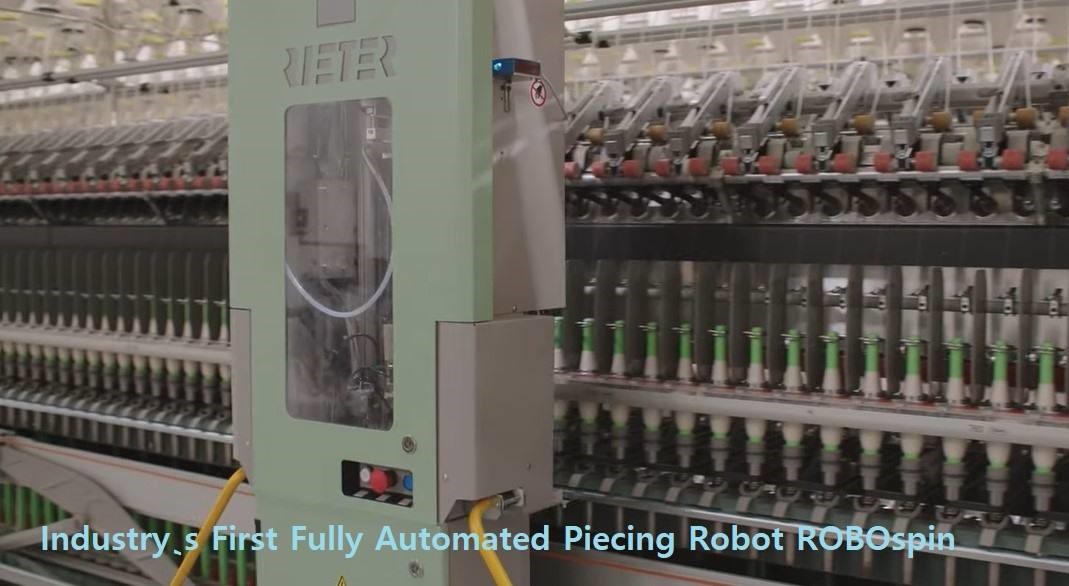
- October 09, 2023
First-time In The World: Rieter’s Auto

- July 28, 2026
Arvind Eyes Leadership In India's Premiu

- June 01, 2020
Karl Mayer Enables Automated Production

- June 05, 2023
Ultimax - All New Revolutionary Rapier W

- June 09, 2025
DyStar Becomes A Wholly Owned Subsidiary

- July 28, 2026