
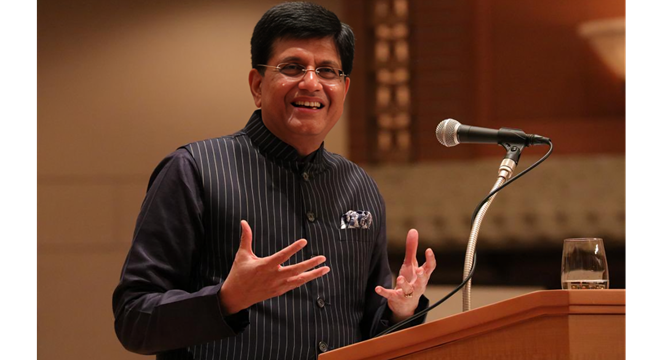
Piyush Goyal Pushes Export Councils To Drive New Markets, Products And Faster Growth
EPCs told to move beyond issues to export
expansion strategy
Union Commerce and Industry Minister Piyush Goyal
chaired a high-level interaction with Export Promotion Councils (EPCs) and
industry associations in New Delhi on June 24, 2026, with a clear message:
India’s export ecosystem must now focus on new markets, new products and higher
growth momentum.
The meeting reviewed progress under the Export Promotion
Mission (EPM) and reiterated that EPCs must move beyond individual grievances
and work on a structured national export expansion strategy. The focus, the
Minister said, should be on measurable outcomes that contribute directly to
India’s overall export performance.
Faster decision-making system for exporters
To improve trade facilitation, the government informed
EPCs that a fixed calendar has been introduced for key regulatory and
facilitation committees. The schedule has been placed on the DGFT website to
ensure predictability.
Committees such as the Norms Committee, Policy
Relaxation Committee, EPCG Committee and Exim Facilitation Committees will now
meet every fortnight. The SCOMET Inter-Ministerial Working Group will meet
monthly.
The aim is to reduce delays, clear pending cases faster
and create a more predictable system for exporters.
Export Promotion Mission to focus on real
outcomes
Commerce Secretary Rajesh Agarwal stressed that the
success of the EPM will depend on how effectively exporters adopt available
schemes. He highlighted initiatives such as export factoring, credit guarantees
for e-commerce exporters, collateral support for export credit and other
financial tools.
He urged EPCs to conduct outreach programmes with banks
and stakeholders so that policy support translates into higher export volumes
rather than remaining underutilised.
New focus areas: logistics, warehousing and
market intelligence
The Commerce Secretary encouraged EPCs to design
proposals under EPM components such as export warehousing, logistics support,
certification systems, trade intelligence and market access initiatives.
He also emphasised the need to identify new export
destinations, leverage FTAs more effectively and increase participation in
global trade fairs, particularly in emerging markets with high export
potential.
District-level exports seen as key growth
driver
A major focus of the meeting was the District Export
Hubs (DEH) initiative. EPCs were urged to appoint focal points at national,
state and district levels and work closely with District Export Promotion
Committees.
The government stressed the importance of converting
local strengths—such as GI-tagged products, agricultural goods and
handicrafts—into export opportunities. Sustained handholding, capacity building
and market linkages were identified as essential to bring new exporters into
the system.
Digital exports, youth and new exporters
The Director General of Foreign Trade said the Export
Promotion Mission will be implemented in a mission-mode approach with a strong
emphasis on facilitation and measurable results. He also highlighted growing
focus on e-commerce exports and youth participation as a new driver of export
growth.
Progress under Export Promotion Mission
Officials informed that 10 interventions under the
Export Promotion Mission have already been rolled out, while branding-related
components are still under consultation.
Based on industry feedback, refinements have been made,
including extending interest subvention benefits to small and micro exporters
in selected tariff lines. A national workshop was also held on June 2, 2026, to
resolve operational challenges and improve scheme utilisation.
District activation drive underway
Progress under the District Export Hubs initiative was
also reviewed, including the ongoing 90-day activation drive launched on June
1, 2026. District Export Promotion Committees and District Export Action Plans
are now operational across regions, with a structured activity calendar
assigning responsibilities to central and state agencies.
Bottom line: execution and expansion
The meeting concluded with a strong push for execution.
Export bodies were told to shift focus from incremental improvements to
aggressive expansion—by identifying new markets, developing new products and
ensuring that policy support translates into measurable export growth.
The meeting concluded with a strong push for execution. Export bodies were told to shift focus from incremental improvements to aggressive expansion—by identifying new markets, developing new products and ensuring that policy support translates into measurable export growth.
Subscribe To Textile Excellence Print Edition
If you wish to Subscribe to Textile Excellence Print Edition, kindly fill in the below form and we shall get back to you with details.
Newsletter
Subscribe To Textile Excellence Mailing List

- December 09, 2022
'There Is Very High Acceptance For India

- December 09, 2022
'Advanced Machines & Service, Customer C
- October 09, 2023
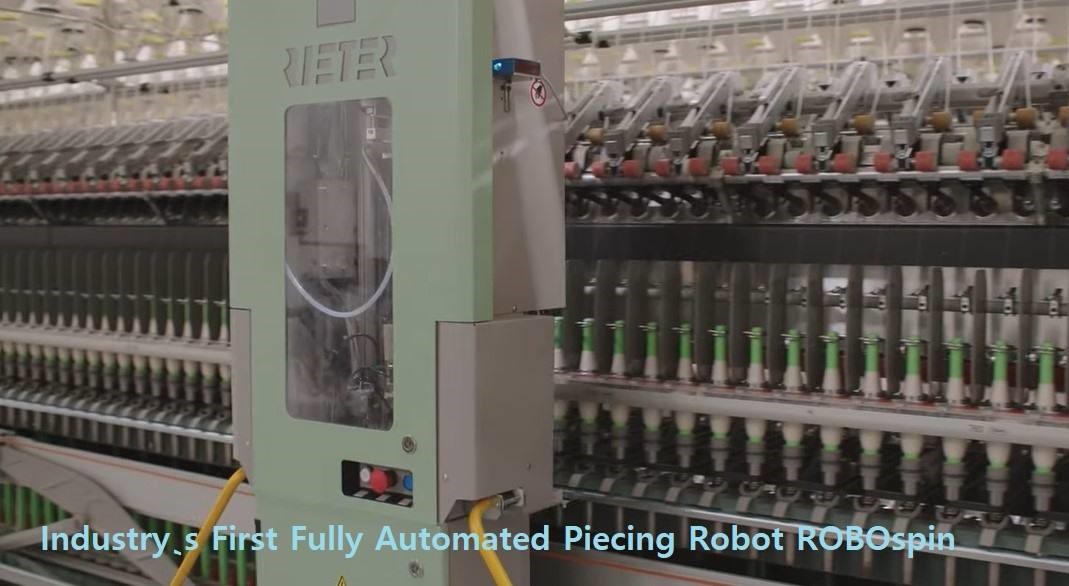
First-time In The World: Rieter’s Auto

- July 28, 2026
Arvind Eyes Leadership In India's Premiu

- June 01, 2020
Karl Mayer Enables Automated Production
- June 05, 2023
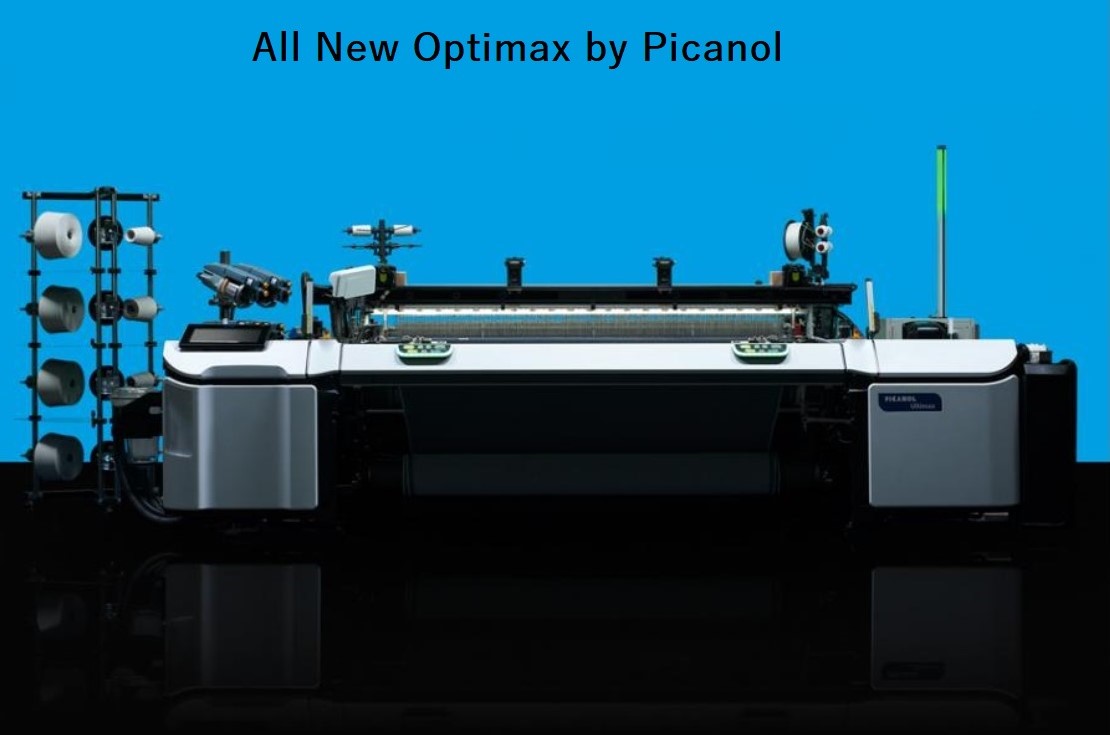
Ultimax - All New Revolutionary Rapier W
- June 09, 2025
DyStar Becomes A Wholly Owned Subsidiary
- July 28, 2026