

DPIIT Notifies Transition Facilitation Order To Ease Compliance And Strengthen Supply Chains
New framework balances quality control with
industry flexibility
The Department for Promotion of Industry and Internal
Trade (DPIIT) has notified the Transition Facilitation (Quality Control) Order,
2026, aimed at strengthening India’s quality ecosystem while making compliance
easier for industry.
The move is designed to maintain strict product quality
standards while also giving manufacturers more flexibility in sourcing and
compliance processes. Officials said the order is intended to support
innovation, improve competitiveness and make supply chains more resilient.
Focus on safe and standardised products
The government has been expanding Quality Control Orders
(QCOs) across key product categories to ensure safe, reliable and
standard-compliant goods in the market. These rules are also meant to improve
manufacturing practices and raise overall product quality in India.
The new Transition Facilitation Order builds on this
framework but introduces a more flexible compliance pathway for industry.
Alternative compliance route introduced
Under the new system, industry will be allowed to source
materials from manufacturers registered under Scheme II of the Bureau of Indian
Standards (BIS) Conformity Assessment Regulations, 2018, instead of being
limited to the stricter ISI Mark-based Scheme I.
Approval under this mechanism will depend on:
- technical
capability of the manufacturer
- past
compliance record
- ability
to adopt new technology and innovation
- efforts
to strengthen domestic supply chains
This risk-based approach is designed to reduce
regulatory pressure without weakening quality standards.
Recognition for compliant manufacturers
The order also provides benefits to manufacturers who
have maintained continuous compliance with QCO requirements for at least three
years without any violations.
This is intended to reward consistent performers and
encourage long-term adherence to quality norms, while also reducing unnecessary
procedural burden for trusted industry players.
Boost to innovation and supply chain
strength
Officials said the reform is aimed at supporting
technology upgradation, innovation and modern manufacturing practices. By
easing compliance bottlenecks, the government expects companies to focus more
on efficiency, design improvement and research-led production.
The framework is also expected to strengthen domestic
value chains by improving access to compliant suppliers within India.
Expected impact on industry competitiveness
According to DPIIT, the Transition Facilitation Order
will help reduce compliance friction while maintaining strong quality
safeguards for consumers.
The reform is expected to:
- improve
ease of doing business
- strengthen
domestic manufacturing ecosystems
- enhance
integration with global supply chains
- ensure
continued consumer confidence in product quality
In simple terms, the order aims to make compliance
easier for industry while keeping India’s quality standards intact and globally
competitive.
The government has been expanding Quality Control Orders (QCOs) across key product categories to ensure safe, reliable and standard-compliant goods in the market. These rules are also meant to improve manufacturing practices and raise overall product quality in India. The new Transition Facilitation Order builds on this framework but introduces a more flexible compliance pathway for industry.
Subscribe To Textile Excellence Print Edition
If you wish to Subscribe to Textile Excellence Print Edition, kindly fill in the below form and we shall get back to you with details.
Newsletter
Subscribe To Textile Excellence Mailing List


- December 09, 2022
'There Is Very High Acceptance For India

- December 09, 2022
'Advanced Machines & Service, Customer C
- October 09, 2023
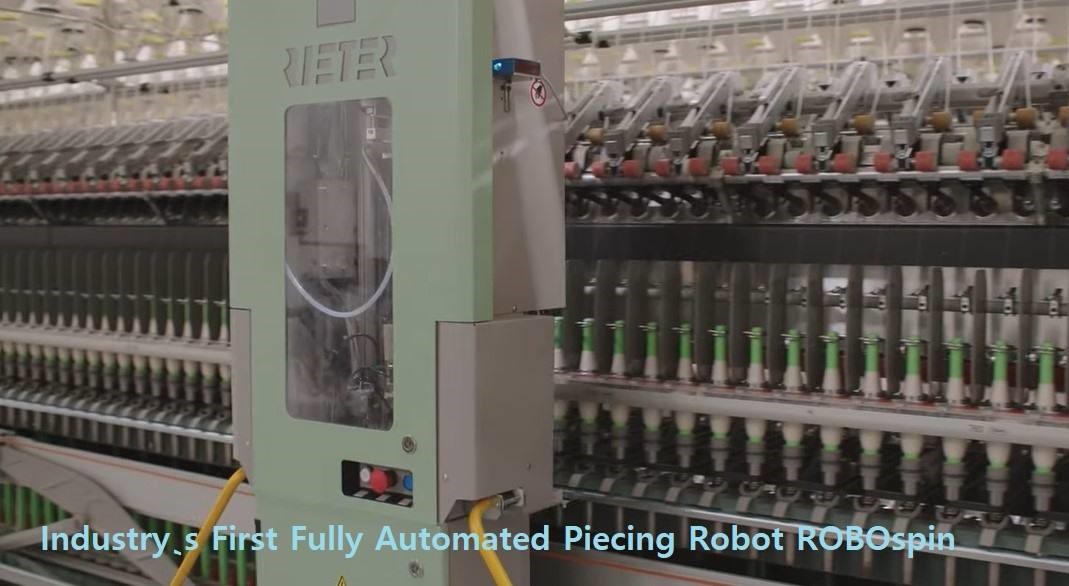
First-time In The World: Rieter’s Auto

- July 28, 2026
Arvind Eyes Leadership In India's Premiu

- June 01, 2020
Karl Mayer Enables Automated Production
- June 05, 2023
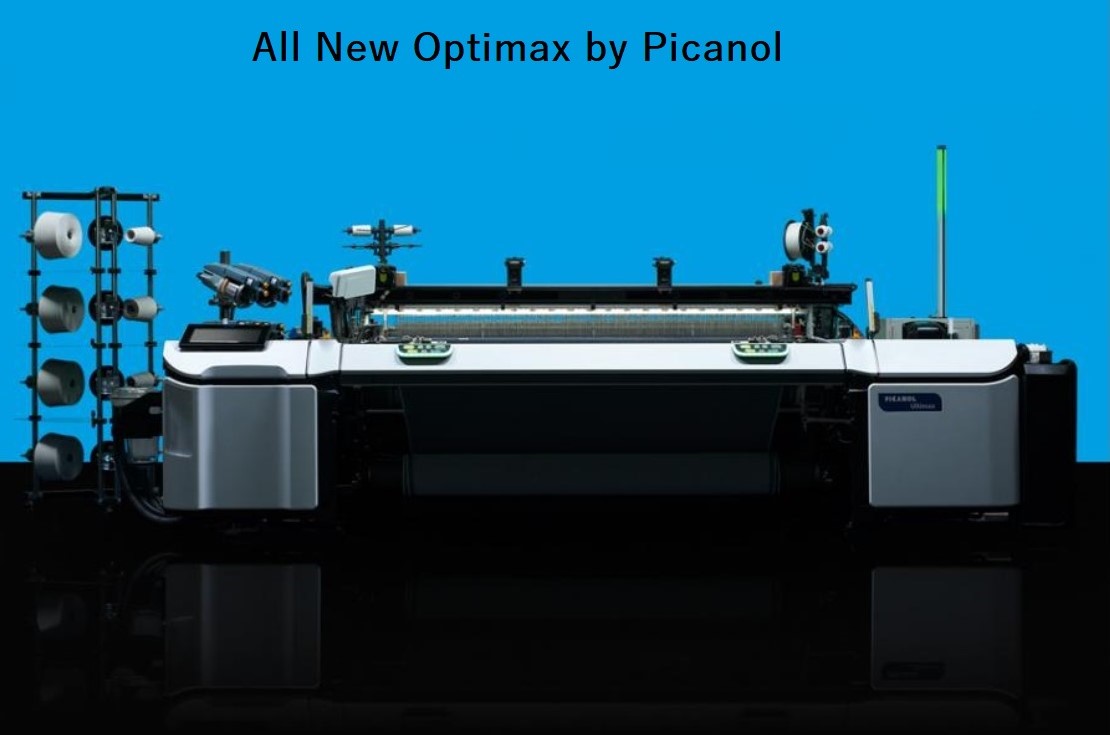
Ultimax - All New Revolutionary Rapier W
- June 09, 2025
DyStar Becomes A Wholly Owned Subsidiary

- July 28, 2026