

Pressed But Not Retreating: U.S. Textiles Fight Back in 2026
The U.S. textile industry has entered 2026 at a
high-stakes crossroads, balancing brutal global competition against significant
policy wins and a US$60.9 billion annual footprint that directly anchors
national security and advanced manufacturing. Outgoing NCTO Chairman Chuck Hall
emphasized that while the sector faces severe pressure — evidenced by over 40
plant closures due to trade volatility — it is aggressively fighting back
through record capital investments in automation and the legislative closing of
the "de minimis" loophole.
Defense and domestic production
The U.S. military relies on a secure domestic supply
chain, with textile manufacturers providing over 8,000 distinct, high-tech
products—from uniforms to ballistic materials—totaling more than US$1.8 billion
annually in defense contracts. This critical infrastructure ensures that
American mission readiness is not compromised by foreign dependencies.
Investing in the future
Despite a challenging economic climate that saw annual
shipments dip to US$60.9 billion, the industry is not retreating, having
invested US$34.3 billion in advanced manufacturing technology since 2017,
including US$5.5 billion in 2024 alone. This relentless focus on modernization
has secured the United States' position as the world's second-largest exporter
of textile products.
A legislative counterpunch
The industry's 2026 outlook is aggressive, characterized
by a massive legislative victory targeting the "de minimis" loophole,
which previously allowed 1.4 billion duty-free shipments to bypass domestic
producers. Moving forward, the sector is pushing for strict enforcement of the
Berry Amendment and demanding tariff relief on imported machinery to sustain
its competitive edge.
Outgoing NCTO Chairman Chuck Hall emphasized that while the sector faces severe pressure — evidenced by over 40 plant closures due to trade volatility — it is aggressively fighting back through record capital investments in automation and the legislative closing of the "de minimis" loophole.
Subscribe To Textile Excellence Print Edition
If you wish to Subscribe to Textile Excellence Print Edition, kindly fill in the below form and we shall get back to you with details.
Newsletter
Subscribe To Textile Excellence Mailing List


- December 09, 2022
'There Is Very High Acceptance For India

- December 09, 2022
'Advanced Machines & Service, Customer C
- October 09, 2023
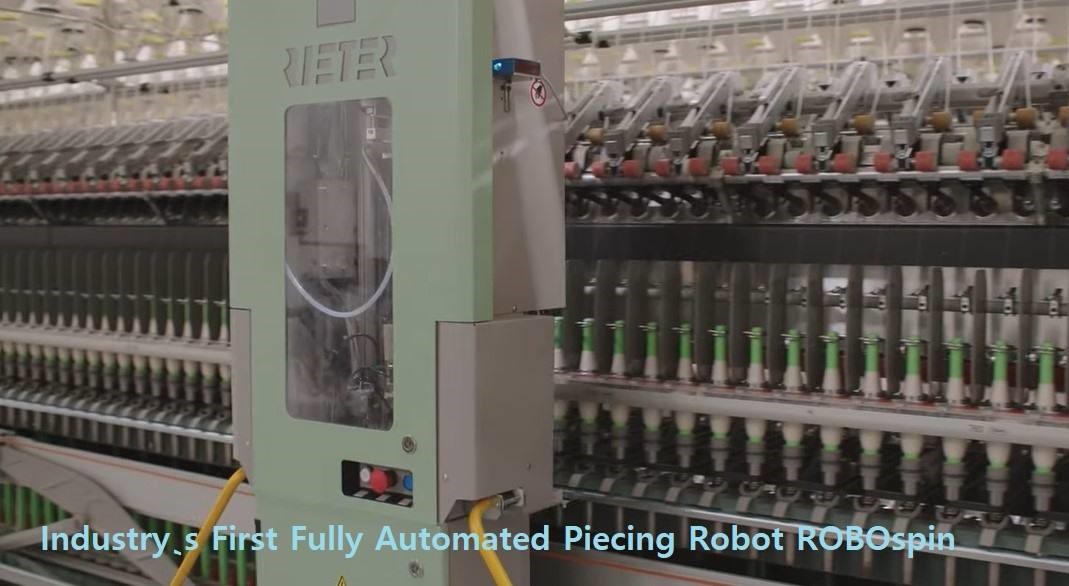
First-time In The World: Rieter’s Auto

- July 28, 2026
Arvind Eyes Leadership In India's Premiu

- June 01, 2020
Karl Mayer Enables Automated Production

- June 05, 2023
Ultimax - All New Revolutionary Rapier W
- June 09, 2025
DyStar Becomes A Wholly Owned Subsidiary

- July 28, 2026