
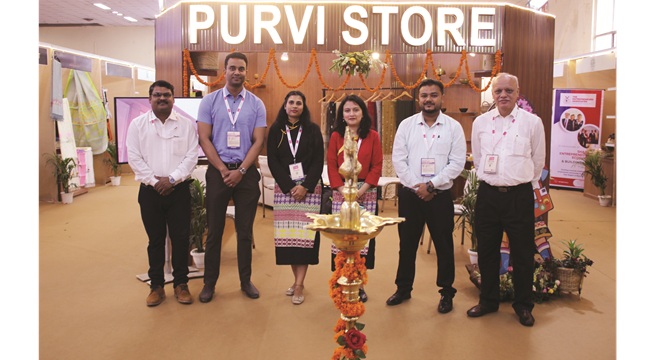
NEHHDC Elevates Eri Silk As India's Ethical Luxury Fibre
Northeast India’s rich textile heritage is gaining renewed
global attention as the North Eastern Handicrafts and Handlooms Development
Corporation (NEHHDC) showcases sustainable silk, artisan empowerment and
innovative product development at Bharat Tex 2026 in New Delhi. The
organisation is working to transform traditional fibres and indigenous
craftsmanship into globally competitive products while creating stronger
economic opportunities for weavers and artisans across the region.
Manmayuri Saikia highlighted NEHHDC’s efforts to promote Eri
silk, also known as Peace Silk or Ahimsa Silk, as one of India’s most
sustainable and ethically produced natural fibres. She said growing consumer
awareness around responsible fashion and traceable supply chains is creating
new opportunities for Northeast India’s unique textile traditions.
Unlike conventional silk production methods, Eri silk allows
the silkworm to complete its natural life cycle and emerge from the cocoon
before the fibre is collected and spun. This cruelty free production process
has positioned Eri silk as an important material in the sustainable fashion
movement, particularly among consumers seeking environmentally responsible
alternatives.
The global sustainable textile market is witnessing rapid
expansion due to increasing demand for eco-friendly materials, ethical
manufacturing and circular production practices. Industry reports estimate that
the global sustainable textiles market could grow from nearly US$90 billion in
2024 to more than US$140 billion by 2030, driven by changing consumer behaviour
and stronger sustainability commitments from fashion brands.
India’s natural fibre advantage places the country in a
strong position to benefit from this shift. The country remains one of the
world’s largest producers of silk, producing around 38,000 tonnes annually
across varieties including Mulberry, Tasar, Eri and Muga silk. Northeast India
plays a crucial role in this ecosystem, particularly in the production of Eri
and Muga silk, which carry distinctive cultural and ecological value.
Saikia said NEHHDC is strengthening the complete value chain
of Northeast textiles through initiatives focused on spinning facilities,
design development, skill enhancement and improved market access. The
organisation aims to ensure that artisans and rural producers benefit directly
from growing demand for sustainable handcrafted products.
The Purbashree platform has emerged as a key initiative in
this direction, providing a dedicated marketplace for authentic handloom and
handicraft products from the Northeast. The platform supports artisans by
connecting traditional producers with wider consumer markets while promoting
the cultural identity of the region.
Another important focus area is Ryndia, Meghalaya’s premium
Eri silk heritage. Known for its softness, durability and sustainable
production practices, Ryndia has become a representation of women led
craftsmanship and indigenous textile knowledge. The initiative highlights the
role of rural women artisans in preserving traditional skills while building
sustainable livelihoods.
NEHHDC is also promoting Padma Doree, an innovative textile
initiative that combines the unique characteristics of Northeast India’s Eri
silk with the celebrated Chanderi weaving tradition of Madhya Pradesh. The
collaboration brings together two distinctive Indian textile identities to
create premium products that reflect heritage, craftsmanship and contemporary
luxury.
Saikia also highlighted the importance of the Ashtalakshmi
initiative, which aims to promote the Northeast as a centre for textiles,
handicrafts and entrepreneurship. The programme focuses on improving
visibility, strengthening business opportunities and encouraging sustainable
economic development across the eight northeastern states.
Bharat Tex 2026 provided NEHHDC with a significant platform
to connect artisans, designers, exporters, buyers and international
stakeholders. Saikia described the exhibition as an important opportunity to
understand global market expectations, exchange knowledge and showcase the
potential of Northeast India’s textile ecosystem.
Industry experts believe that demand for ethical and
sustainable textiles will continue to increase as global fashion brands focus
on responsible sourcing and transparent supply chains. Products such as Eri
silk offer a unique combination of environmental responsibility, cultural
heritage and premium craftsmanship.
NEHHDC’s initiatives demonstrate how traditional textile
practices can be integrated with modern market strategies to create globally
relevant products. The organisation’s focus on sustainability, innovation and
artisan empowerment is helping Northeast India emerge as an important
destination for responsible fashion and heritage-based textile development.
Manmayuri Saikia, Senior Executive (HR & BD) highlighted NEHHDC’s efforts to promote Eri silk, also known as Peace Silk or Ahimsa Silk, as one of India’s most sustainable and ethically produced natural fibres. She said growing consumer awareness around responsible fashion and traceable supply chains is creating new opportunities for Northeast India’s unique textile traditions. Saikia also highlighted the importance of the Ashtalakshmi initiative, which aims to promote the Northeast as a centre for textiles, handicrafts and entrepreneurship. The programme focuses on improving visibility, strengthening business opportunities and encouraging sustainable economic development across the eight northeastern states.
Subscribe To Textile Excellence Print Edition
If you wish to Subscribe to Textile Excellence Print Edition, kindly fill in the below form and we shall get back to you with details.
Newsletter
Subscribe To Textile Excellence Mailing List

- December 09, 2022
'There Is Very High Acceptance For India
- December 09, 2022
'Advanced Machines & Service, Customer C
- October 09, 2023
First-time In The World: Rieter’s Auto
- July 28, 2026
Arvind Eyes Leadership In India's Premiu

- June 01, 2020
Karl Mayer Enables Automated Production
- June 05, 2023
Ultimax - All New Revolutionary Rapier W
- June 09, 2025
DyStar Becomes A Wholly Owned Subsidiary
- July 28, 2026