
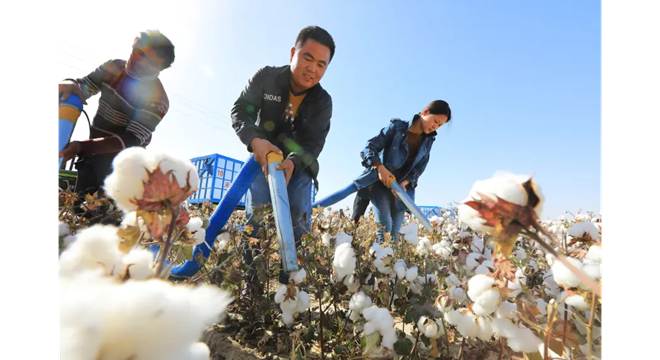
Esquel Sanctions, Vietnam Factories And A Traceability Gap
US
restrictions on Chinese textile giant Esquel Group were supposed to keep goods
linked to alleged forced labour in Xinjiang out of the American market. But a
Reuters investigation has found that companies closely linked to Esquel
continued to ship cotton garments to the US through Vietnam.
Three
Vietnamese manufacturers - An Loi Apparel, Tessellation Binh Duong and
Tessellation Hoa Binh - have exported at least US$5 million worth of cotton
goods to the US since Esquel was sanctioned in November 2024.
The
three factories had previously operated under variations of the Esquel Garment
Manufacturing Vietnam name before being rebranded in 2022. Corporate records
also show links involving Esquel's former CEO Edgar Tung and the same offshore
ownership structure.
The
cotton trail gets complicated
The
bigger issue is the cotton itself.
Customs
data show that Esquel shipped about US$ 34 million of cotton from China between
November 2024 and June 2026, with roughly 70% going to the three Vietnamese
manufacturers. Yet Reuters could not establish whether cotton in the garments
subsequently shipped to the US came from Esquel or Xinjiang.
That
is where traceability gets difficult. The Vietnamese factories also buy cotton
from other suppliers, while cotton from different origins can be blended during
production.
The
garments reached the US under brands including Muji and Rodd & Gunn. Both
confirmed sourcing from the Vietnamese manufacturers but said they were unaware
of their links to Esquel.
A
bigger problem for global sourcing
The
case highlights a problem facing textile supply chains worldwide: a factory can
move, change its name and diversify its suppliers, but proving the origin of
the fibre can remain extremely difficult.
US
Customs and Border Protection inspected only about US$ 2.6 million of the US$ 28
billion of apparel Vietnam shipped to the US between November 2024 and June
2026 under the Uyghur Forced Labor Prevention Act. More than half of the
detained goods, by value, were subsequently released.
For
textile companies selling into the US, the lesson is increasingly clear:
supplier names and factory audits are not enough. The cotton itself has to be
traceable.
US Customs and Border Protection inspected only about US$ 2.6 million of the US$ 28 billion of apparel Vietnam shipped to the US between November 2024 and June 2026 under the Uyghur Forced Labor Prevention Act. More than half of the detained goods, by value, were subsequently released. For textile companies selling into the US, the lesson is increasingly clear: supplier names and factory audits are not enough. The cotton itself has to be traceable.
Subscribe To Textile Excellence Print Edition
If you wish to Subscribe to Textile Excellence Print Edition, kindly fill in the below form and we shall get back to you with details.
Newsletter
Subscribe To Textile Excellence Mailing List


- December 09, 2022
'There Is Very High Acceptance For India

- December 09, 2022
'Advanced Machines & Service, Customer C
- October 09, 2023
First-time In The World: Rieter’s Auto

- July 28, 2026
Arvind Eyes Leadership In India's Premiu
- June 01, 2020
Karl Mayer Enables Automated Production
- June 05, 2023
Ultimax - All New Revolutionary Rapier W
- June 09, 2025
DyStar Becomes A Wholly Owned Subsidiary

- July 28, 2026