
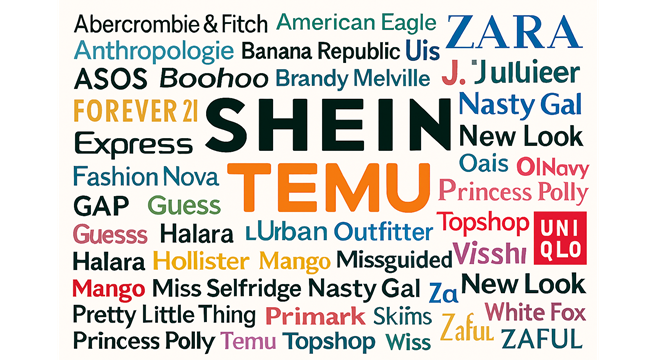
France Is Coming Down On Ultra-Fast Fashion Advertising
France
is turning up the pressure on ultra-fast fashion, and this time, the target is
not just the clothes. It is the advertising, influencers and business model
behind them.
A
new French law aimed at reducing the environmental impact of textiles is
introducing restrictions in stages from 2026 through 2030. For fashion brands
and textile suppliers selling into France, 1 January 2027 is the date to watch.
From
that day, France will ban advertising for products classified as “ultra-fast
fashion”, as well as advertising that directly or indirectly promotes brands
built around the model. Influencer promotion - whether paid or unpaid - will
also be prohibited. Violations can attract administrative fines of up to
€100,000 per breach.
More
new clothes, more penalty
France
is also putting a rising price on the ultra-fast-fashion model through its
textile extended producer responsibility system.
Products
covered by the definition will face eco-modulated penalties based partly on how
many new product references a brand launches, how frequently it refreshes its
range and the incentives it offers for repair.
The
penalty rises sharply over time - from €0.25–€12 per product in 2026 to €2–€20
from 2030.
For
suppliers, that matters because these costs can eventually travel down the
supply chain, affecting the prices and margins negotiated between French
brands, importers and manufacturers.
Marketplaces
are in the frame
Online
platforms selling qualifying products already have new responsibilities.
They
must disclose the place of manufacture clearly to consumers, with the
information displayed as prominently as the price and close to it. Platforms
will also have to provide information encouraging moderation, reuse, repair and
recycling, along with information on the social and environmental impact of
products and their delivery.
Since
1 September 2026, approved textile eco-organisations have also been given
powers to collect data automatically from online marketplaces to help enforce
the eco-modulation system.
France
is not simply trying to make fast fashion more sustainable. It is attempting to
change the economics and visibility of a business model built around huge
product ranges, constant newness and rapid turnover.
For
textile and clothing suppliers to France, the immediate impact will depend on
whether their French customers or marketplace partners fall within the new
rules. But brands supplying France should already be checking product launches,
marketing campaigns, influencer arrangements, marketplace listings and pricing
structures.
The
direction of travel is unmistakable: France wants fewer incentives for buying
more, faster, and the pressure is moving from the factory floor to the fashion
feed.
For textile and clothing suppliers to France, the immediate impact will depend on whether their French customers or marketplace partners fall within the new rules. But brands supplying France should already be checking product launches, marketing campaigns, influencer arrangements, marketplace listings and pricing structures. The direction of travel is unmistakable: France wants fewer incentives for buying more, faster, and the pressure is moving from the factory floor to the fashion feed.
Subscribe To Textile Excellence Print Edition
If you wish to Subscribe to Textile Excellence Print Edition, kindly fill in the below form and we shall get back to you with details.
Newsletter
Subscribe To Textile Excellence Mailing List


- December 09, 2022
'There Is Very High Acceptance For India

- December 09, 2022
'Advanced Machines & Service, Customer C
- October 09, 2023
First-time In The World: Rieter’s Auto

- July 28, 2026
Arvind Eyes Leadership In India's Premiu

- June 01, 2020
Karl Mayer Enables Automated Production
- June 05, 2023
Ultimax - All New Revolutionary Rapier W
- June 09, 2025
DyStar Becomes A Wholly Owned Subsidiary

- July 28, 2026