
Bridging American Hemp And Indian Manufacturing Expertise
The global industrial hemp market is currently
experiencing unprecedented economic growth. Recent market projections indicate
the global industrial hemp market size will reach US$ 13.86 billion during
2026. Experts anticipate this figure will expand toward US$ 71.53 billion by
2034, registering a massive compound annual growth rate of 22.77%. The textile
segment alone is projected to command a 31.02% share of the overall market in
2026. The rising adoption of sustainable materials drives this massive expansion
worldwide. Manufacturers are actively seeking alternatives to resource
intensive conventional materials. Heartland USA stands perfectly positioned to
capitalize upon this lucrative trajectory. The enterprise is actively working
to transition hemp beyond its traditional sustainability niche into a
commercially relevant fibre suited to mainstream textile manufacturing.
Heartland USA recently achieved a major milestone in
sustainable material innovation. The company successfully combined US-grown
hemp with established textile fibres. The central element of this strategic
initiative is Imperium Fibre, which pairs premium US-grown hemp alongside
Supima cotton. This unprecedented collaboration brings together two distinctive
American agricultural products within a highly engineered commercial textile
platform.
Textile Excellence recently conducted an exclusive
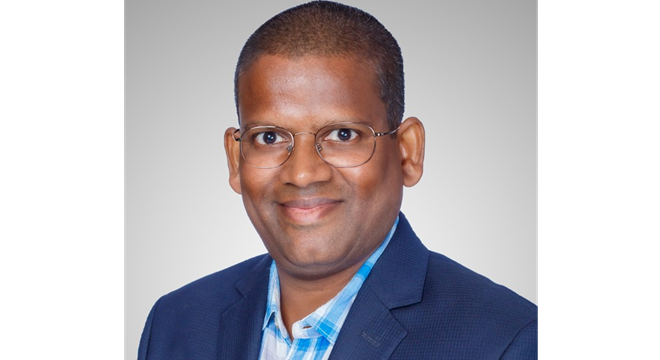
interview with Amey Padma, Head of India Business at Heartland USA, to discuss
this transformative strategy. The comprehensive conversation explored how India
serves a remarkably pivotal role in scaling these sustainable materials across
global supply chains.
Hemp has long been recognized regarding its
environmental benefits. What is driving the shift toward mainstream commercial
adoption right now?
Amey Padma:
Sustainability gets attention; performance, consistency and economics drive
adoption. The industry is realizing that hemp must deliver significantly more
than just a compelling environmental story to enter mainstream production.
Spinners and manufacturers demand consistent fibre length, fineness, strength,
and cleanliness. They require seamless spinnability supported through
dependable supply chains and commercially viable economics. Our core approach
focuses squarely on making hemp operate flawlessly within the exact textile infrastructure
that already exists today.
How does fibre blend fit into this
operational strategy?
Amey Padma:
Blending represents an absolute necessity. Hemp can easily be combined
alongside cotton, lyocell, and various other fibres. This allows us to
precisely engineer the ideal balance of softness, strength, durability,
comfort, and processing performance required across specific product
applications. The ultimate objective is incredibly simple. We must make hemp
easier to spin, easier to source, and radically easier to commercialize across
major brands.
India appears central to your operational
framework. What makes the Indian market so crucial to this vision?
Amey Padma:
India is strategically important because of its deeply integrated textile
ecosystem. This massive infrastructure covers everything spanning from spinning
and weaving to knitting, processing, and final garment manufacturing. Indian
mills also possess extensive, world class expertise regarding complex fibre
blending and innovative product development. India has the manufacturing depth
to convert US-grown hemp from a fibre opportunity into scalable yarns, fabrics
and finished products for global brands.
Importing new materials often presents
logistical challenges. How is Heartland USA addressing supply chain friction?
Amey Padma: We
are actively developing a localized India-based fibre availability model. This
system enables domestic mills to access US-grown hemp locally through dedicated
warehousing and localized billing. We provide just-in-time supply capabilities
alongside dedicated technical support. This greatly reduces the immense
complexity typically associated with importing smaller quantities. The primary
goal is making US-grown hemp effortlessly accessible to manufacturers without
requiring major capital investments or structural changes to their existing
machinery.
The combination involving Supima cotton
seems particularly unique. What value does this specific blend offer the global
market?
Amey Padma:
The development of Supima cotton and Imperium hemp creates far more than simply
another blended yarn. It officially establishes a highly compelling "Grown
in America" material proposition aimed directly at global textile brands.
Supima brings incredibly premium cotton characteristics, while hemp
simultaneously contributes raw strength, unmatched durability, and natural fibre
differentiation. Together, they instantly create massive opportunities across
premium shirting, everyday apparel, knitwear, and luxury home textiles.
What represents the biggest milestone for
this project moving forward?
Amey Padma:
The critical milestone is not simply developing the blend itself, but
conclusively proving that hemp can be successfully engineered into reliable
yarns that work seamlessly within modern commercial textile systems. The real
breakthrough is demonstrating that US-grown hemp can move beyond a laboratory
concept and become part of a commercially scalable spinning platform.
Traceability remains a massive focus across
the modern apparel sector. How does your platform address transparency?
Amey Padma:
Modern brands aggressively demand greater transparency throughout their supply
chains. Heartland genuinely believes that fibre origin must seamlessly become
an integral part of the overarching textile story. US-grown hemp provides a
legally defined agricultural origin and a rare opportunity to establish
absolute traceability scaling from the raw agricultural fibre straight through
to the finished product.
What are the future projections regarding
this initiative over the coming years?
Amey Padma:
Over the next three to five years, our company intends to significantly expand
our hemp blend platforms. This expansion includes commercializing new
hemp-cotton, hemp-cellulosic, and hemp-wool combinations. We will work
extremely closely alongside premier Indian mills and massive global brands to
construct highly repeatable commercial programs. The genuine opportunity is no
longer simply attempting to sell hemp. It is fundamentally to build the exact
ecosystem that ultimately makes hemp completely commercially viable.
Heartland's central vision is precisely to connect US-grown fibre directly with
India's manufacturing strength. This creates a massively scalable pathway from
farm to fibre, yarn, fabric and finished textile products explicitly designed
to serve global markets.
It is fundamentally to build the exact ecosystem that ultimately makes hemp completely commercially viable. Heartland's central vision is precisely to connect US-grown fibre directly with India's manufacturing strength. This creates a massively scalable pathway from farm to fibre, yarn, fabric and finished textile products explicitly designed to serve global markets_Amey Padma, Head of India Business at Heartland USA
Subscribe To Textile Excellence Print Edition
If you wish to Subscribe to Textile Excellence Print Edition, kindly fill in the below form and we shall get back to you with details.
Newsletter
Subscribe To Textile Excellence Mailing List

- December 09, 2022
'There Is Very High Acceptance For India

- December 09, 2022
'Advanced Machines & Service, Customer C
- October 09, 2023
First-time In The World: Rieter’s Auto
- July 28, 2026
Arvind Eyes Leadership In India's Premiu

- June 01, 2020
Karl Mayer Enables Automated Production
- June 05, 2023
Ultimax - All New Revolutionary Rapier W
- June 09, 2025
DyStar Becomes A Wholly Owned Subsidiary
- July 28, 2026