
Fashion Giants Finally Face the Waste Aftermath
Adidas,
H&M, Zara-owner Inditex and Bestseller are joining forces to tackle textile
waste. The big test: can they turn producer responsibility into a workable
business model?
Four
fashion heavyweights are stepping into one of the industry's toughest
challenges: what happens to clothes after consumers are done with them.
Adidas,
H&M Group, Inditex and Bestseller have launched the Apparel Recovery
Coalition (ARC) with Ghana-based nonprofit The Or Foundation and circularity
organisation Circle Economy. Their mission is to strengthen reuse, repair,
recycling and upcycling, while addressing the environmental burden of second-hand
clothing dumped or exported to countries with limited waste-management
infrastructure.
The
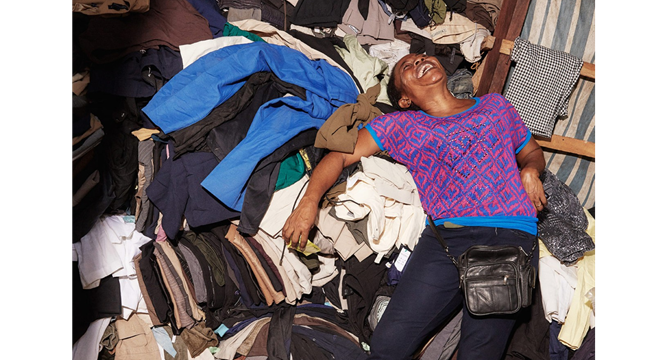
initiative begins in Accra, Ghana, home to Kantamanto Market, where an
estimated 25 million garments are recirculated every month. The market offers a
real-world view of both circular fashion in action and the mounting challenges
of managing unwanted textiles, including water and soil pollution.
But
ARC aims to go beyond another sustainability pledge. Over two years, it plans
to develop and test a business model based on Extended Producer Responsibility
(EPR), the principle that brands must take greater responsibility for products
after consumers discard them.
The
first demonstration project in Accra will build on existing local initiatives,
with infrastructure improvements, environmental remediation and training. A
second project is planned in another country receiving large volumes of second-hand
clothing.
Crucially,
the coalition says affected communities will have a voice alongside brands,
recyclers, sorting businesses and policymakers. The participating companies
will make voluntary financial contributions to support the projects.
The
urgency is hard to ignore. Inditex used 705,554 tonnes of raw materials in its
products, up from 678,596 tonnes in 2024. H&M reported producing 364,093
tonnes of products in 2025. Managing waste more effectively matters, but so
does confronting the volumes entering the system.
The
real breakthrough will be accountability, not another coalition announcement.
ARC must demonstrate who pays, how waste is collected and processed, and
whether its model can work at scale. Its findings could help shape
producer-responsibility systems worldwide.
For
now, the industry has a new test case. The question is whether fashion's
biggest players will help pay for the afterlife of the products they sell.
The real breakthrough will be accountability, not another coalition announcement. ARC must demonstrate who pays, how waste is collected and processed, and whether its model can work at scale. Its findings could help shape producer-responsibility systems worldwide. For now, the industry has a new test case. The question is whether fashion's biggest players will help pay for the afterlife of the products they sell.
Subscribe To Textile Excellence Print Edition
If you wish to Subscribe to Textile Excellence Print Edition, kindly fill in the below form and we shall get back to you with details.
Newsletter
Subscribe To Textile Excellence Mailing List


- December 09, 2022
'There Is Very High Acceptance For India

- December 09, 2022
'Advanced Machines & Service, Customer C
- October 09, 2023
First-time In The World: Rieter’s Auto
- July 28, 2026
Arvind Eyes Leadership In India's Premiu

- June 01, 2020
Karl Mayer Enables Automated Production

- June 05, 2023
Ultimax - All New Revolutionary Rapier W
- June 09, 2025
DyStar Becomes A Wholly Owned Subsidiary
- July 28, 2026